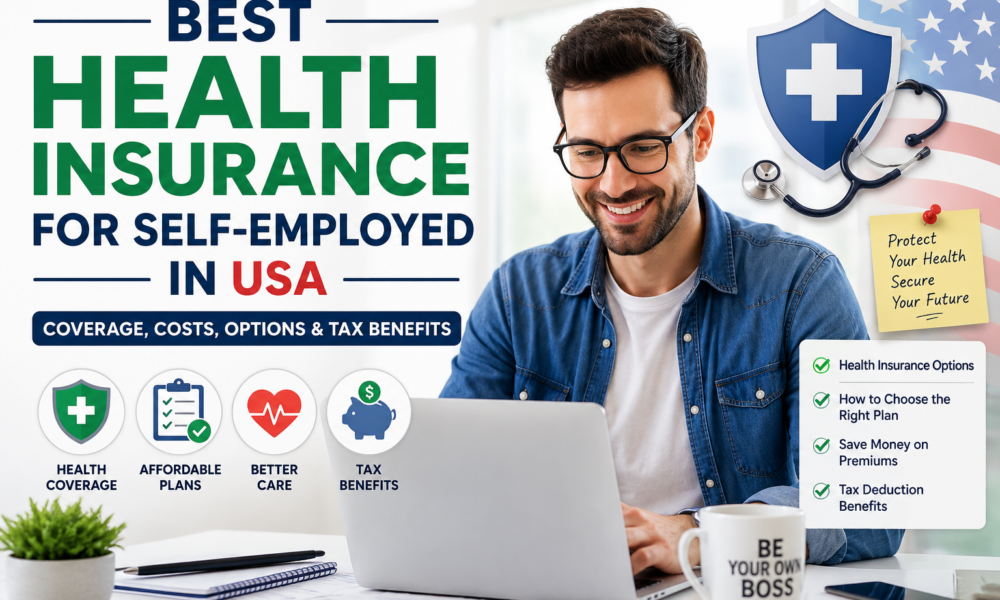
Being self-employed offers freedom, flexibility, and control over your career. However, one of the biggest challenges independent professionals face is finding affordable and reliable health insurance. Unlike traditional employees who often receive employer-sponsored health coverage, self-employed individuals must research, compare, and purchase insurance on their own.
Whether you’re a freelancer, consultant, contractor, online business owner, gig worker, or entrepreneur, having the right health insurance is essential. Medical expenses in the United States can be extremely costly, and a single emergency can create significant financial hardship without proper coverage.
This guide explains everything self-employed Americans need to know about health insurance, including available options, coverage considerations, costs, tax benefits, and how to choose the best plan for your specific situation.
Why Health Insurance Matters for Self-Employed Individuals
Many self-employed professionals delay purchasing health insurance because they believe they are healthy or want to reduce monthly expenses. However, unexpected illnesses and accidents can happen at any time.
Health insurance helps cover:
- Doctor visits
- Emergency room care
- Hospital stays
- Prescription medications
- Preventive care
- Mental health services
- Specialist consultations
- Laboratory testing
- Maternity care
- Chronic disease management
Without insurance, even a minor medical issue can result in thousands of dollars in out-of-pocket costs.
Health Insurance Options for Self-Employed Americans
1. Marketplace Health Insurance Plans
The Health Insurance Marketplace is one of the most popular options for self-employed individuals.
Marketplace plans typically offer:
- Comprehensive coverage
- Preventive care benefits
- Subsidies based on income
- Multiple plan levels
- Protection against high medical costs
Depending on your income level, you may qualify for premium tax credits that significantly reduce monthly premiums.
This option is often ideal for freelancers, consultants, online entrepreneurs, and independent contractors.
2. Private Health Insurance Plans
Private health insurance plans are purchased directly from insurance companies rather than through government marketplaces.
Benefits may include:
- More provider choices
- Customized coverage options
- Additional plan flexibility
- Faster enrollment in some cases
Private plans may be attractive for higher-income self-employed individuals who do not qualify for marketplace subsidies.
3. Health Maintenance Organization (HMO) Plans
HMO plans generally offer lower monthly premiums and lower out-of-pocket costs.
Features include:
- Primary care physician coordination
- Network-based healthcare services
- Lower costs for in-network providers
- Predictable healthcare expenses
These plans can be a good choice for self-employed individuals who prefer a structured healthcare system.
4. Preferred Provider Organization (PPO) Plans
PPO plans offer greater flexibility when selecting doctors and specialists.
Advantages include:
- Larger provider networks
- No referral requirements for specialists
- Out-of-network coverage options
- More healthcare provider choices
Although PPO plans often have higher premiums, they may be worth considering for people who travel frequently or want maximum flexibility
5. High-Deductible Health Plans (HDHP)
A High-Deductible Health Plan can be an affordable option for healthy individuals who rarely visit doctors.
Benefits include:
- Lower monthly premiums
- Eligibility for Health Savings Accounts (HSAs)
- Tax advantages
- Long-term healthcare savings opportunities
These plans work best for self-employed professionals who can comfortably manage higher deductibles if medical needs arise.
Key Factors to Consider Before Choosing a Plan
Monthly Premiums
The premium is the amount you pay every month to maintain coverage.
A lower premium may seem attractive, but it often comes with:
- Higher deductibles
- Higher out-of-pocket costs
- Limited provider networks
Balance affordability with the level of protection you need.
Deductibles
Your deductible is the amount you must pay before insurance begins covering certain healthcare services.
When comparing plans:
- Lower deductibles usually mean higher premiums.
- Higher deductibles usually mean lower premiums.
Choose a deductible that aligns with your budget and expected healthcare usage.
Provider Network
Always verify whether your preferred:
- Doctors
- Specialists
- Hospitals
- Clinics
are included in the plan’s network.
Out-of-network services can significantly increase medical expenses.
Prescription Drug Coverage
If you take medications regularly, review the plan’s prescription coverage carefully.
Compare:
- Medication tiers
- Copayment amounts
- Pharmacy networks
- Annual prescription costs
This can save substantial money over time.
Maximum Out-of-Pocket Costs
Every plan includes a maximum annual out-of-pocket limit.
Once you reach this limit, the insurance company generally covers eligible expenses for the remainder of the year.
Lower out-of-pocket maximums provide stronger financial protection.
Best Health Insurance Plans for Different Self-Employed Professionals
Freelancers
Freelancers often benefit from:
- Marketplace Silver plans
- PPO plans for flexibility
- Subsidized coverage options
These plans provide balanced protection and affordability.
Consultants
Consultants who travel frequently may prefer:
- PPO plans
- National provider networks
- Plans with strong out-of-state coverage
Flexibility is often a top priority.
Small Business Owners
Business owners may consider:
- Individual health plans
- Small group health insurance
- Employer-sponsored options if they have employees
Group plans can sometimes reduce costs while providing broader benefits.
Gig Economy Workers
Rideshare drivers, delivery workers, and independent contractors often need:
- Affordable monthly premiums
- Flexible provider access
- Preventive care coverage
Marketplace plans are commonly chosen by gig workers.
Tax Benefits for Self-Employed Individuals
One significant advantage of self-employed health insurance is the potential tax deduction.
Many self-employed individuals can deduct:
- Health insurance premiums
- Dental insurance premiums
- Qualified long-term care insurance premiums
These deductions may reduce taxable income and lower overall tax liability.
Consult a qualified tax professional for personalized guidance.
Common Mistakes to Avoid
Choosing Based Only on Premium Cost
The cheapest plan is not always the best option.
Review:
- Deductibles
- Copays
- Provider networks
- Out-of-pocket limits
before making a decision.
Ignoring Provider Networks
Many people discover too late that their preferred doctor is not covered.
Always verify network participation before enrollment.
Underestimating Medical Needs
Consider:
- Family medical history
- Existing conditions
- Prescription needs
- Planned medical procedures
Selecting insufficient coverage can become costly later.
Missing Enrollment Deadlines
Open enrollment periods are limited.
Missing deadlines may delay your ability to obtain coverage unless you qualify for a special enrollment event.
Tips for Finding Affordable Self-Employed Health Insurance
- Compare multiple plans before enrolling.
- Check eligibility for premium subsidies.
- Consider an HSA-compatible plan.
- Evaluate total annual healthcare costs, not just premiums.
- Review provider networks carefully.
- Reassess coverage every year.
- Take advantage of preventive healthcare services.
Frequently Asked Questions
Can self-employed individuals get affordable health insurance?
Yes. Many self-employed Americans qualify for subsidies and tax credits that reduce healthcare costs.
Is marketplace insurance better than private insurance?
It depends on your income, healthcare needs, and eligibility for financial assistance. Marketplace plans often provide better affordability for many self-employed individuals.
What is the best plan type for freelancers?
Many freelancers choose Silver marketplace plans because they balance monthly premiums and out-of-pocket expenses.
Can I deduct health insurance premiums on my taxes?
In many cases, self-employed individuals may deduct eligible health insurance premiums, potentially reducing taxable income.
Conclusion
Finding the best health insurance for self-employed individuals in the USA requires careful comparison of costs, coverage, provider networks, and financial protection. The ideal plan depends on your income, health needs, family situation, and business goals.
Rather than focusing solely on the lowest premium, consider the total value of a plan, including deductibles, prescription coverage, provider access, and out-of-pocket limits. With the right coverage in place, self-employed professionals can protect both their health and financial future while continuing to grow their businesses with confidence.
Leave a Reply